

















Bathroom Surveillance Explained:
The Rise of Smart Urinal Technology
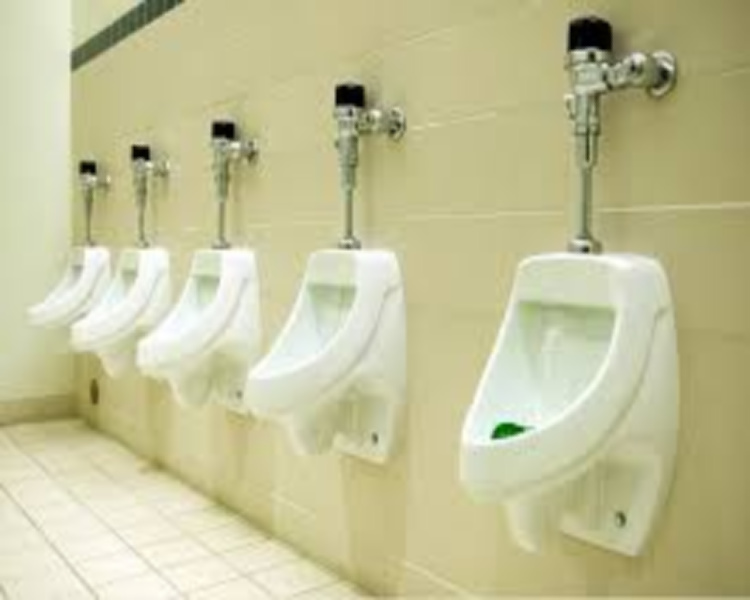
A growing number of privacy advocates and everyday restroom users are raising alarms about a trend that sounds like something out of a dystopian comedy but may already be happening in a bathroom near you. Compact surveillance devices, now being marketed under the broad umbrella of "smart infrastructure," are quietly appearing inside public urinals at airports, stadiums, highway rest stops, and shopping centers across the country. The companies behind them insist the data is anonymous. Critics are not convinced.
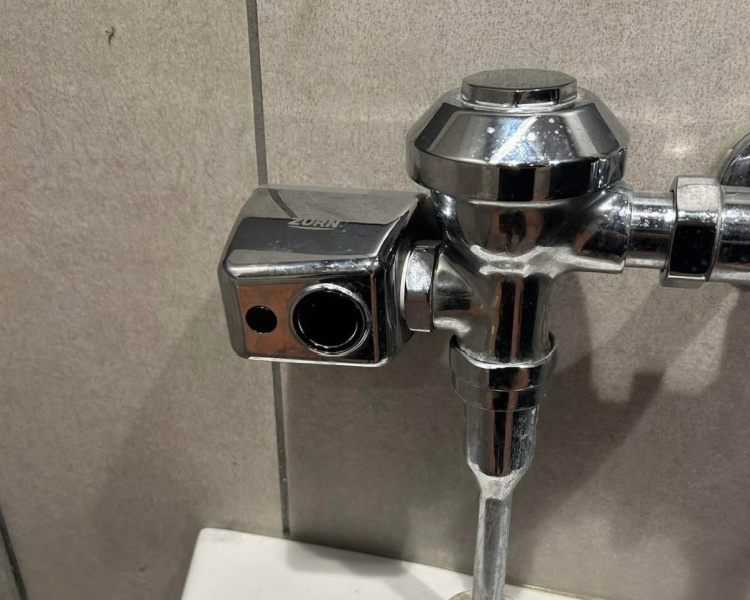
The devices, sometimes no larger than a USB drive, are embedded directly into urinal hardware or mounted on flush sensors where they go largely unnoticed. Manufacturers including Flock Safety and several smaller IoT infrastructure firms have begun pitching facility managers on the technology as a tool for "occupancy analytics," "behavioral flow mapping," and even health monitoring. A leaked product brochure from one vendor described the units as capable of detecting "dwell time, frequency patterns, and biometric indicators" — language vague enough to mean almost anything.
- Flock Safety, best known for its license plate reader cameras used by law enforcement, confirmed in a statement earlier this year that it had expanded its sensor product line into "interior public space monitoring." The company declined to specify which installations were active or how long data is retained.
- Privacy researchers first noticed the hardware surge after a janitor at Denver International Airport posted photos to Reddit in late 2025 showing unfamiliar modules bolted inside two urinal basins in Concourse B.
- The post was removed within hours. The user has not posted since.
What makes the situation particularly murky is the absence of any federal law specifically governing biometric or behavioral data collected in semi-public restroom spaces. Most state privacy statutes were written with screens and cookies in mind, not porcelain fixtures. Attorneys following the issue say existing frameworks offer almost no protection for what gets collected in a men's room.
"There is no reasonable expectation of privacy law that anyone has successfully applied to a urinal," said one civil liberties attorney who asked not to be named because their firm represents a client tangentially involved in a related procurement contract. "Which is a sentence I genuinely cannot believe I am saying out loud."
Jim Ware - Wilmington, MA
What happens to the data after it leaves the fixture is, at this point, anyone's guess. Flock Safety's privacy policy, last updated in March 2026, references data sharing with "municipal partners and verified third-party analytics providers" but contains no specific carve-outs for restroom-collected data. Privacy researchers say that absence is itself telling. Consumer awareness campaigns are beginning to take shape. A group called StallWatch launched in early 2026 with the stated mission of auditing public restroom hardware and publishing its findings. Their first report, covering 14 airports, is expected this summer. Whether it will change anything depends entirely on whether anyone in a position to act decides this is, in fact, a problem worth caring about. So far, Washington has shown no signs of looking up from its own fixtures.

Comments (03)
How can you NOT say something now?! Get Loud! You're feeling it, now say it!
I swear I saw one of these at a rest stop last month. Thought it was just some kind of flush sensor upgrade, but now this makes way more sense. There’s no way that thing needed to be that big.
Everyone laughed when they said TVs were listening. Now look. You really think they’re NOT collecting data in bathrooms? Come on. This is exactly how it starts.
Worked maintenance at a stadium in 2025. We had new “monitoring units” installed in the bathrooms. Nobody would explain what they actually did. We were told not to touch them..